Aki Kiti
Traditional Sport of India
The Martial Art of the Sümi Naga Tribe: Aki Kiti
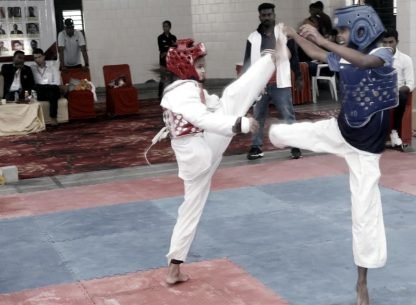
Aki Kiti is a traditional kick-fighting sport of the Sümi Naga tribe of Nagaland. It is a semi-contact martial art in which players use only their feet to attack and defend inside a circular ring.
Origin
Traditionally, Aki Kiti was played during festivals and community gatherings. It was also used as a non-lethal way to settle disputes through skill, balance, and control rather than violence.
The sport is associated with the Sümi Naga community of Nagaland and has been described in ethnographic writing on the Sema/Sümi Nagas by J. H. Hutton.
About the Game
In this martial art, players rely only on the sole of the feet for attack and defense. Hands are not used for striking, and the main aim is to make the opponent lose balance, fall, or move outside the ring.
The Setup
Play Area
Circular ring drawn on the ground, usually 15–20 feet in diameter.
Surface
Bare earth, soft ground, grass, or practice mat.
Players
Two competitors at a time.
Equipment
No weapons; players usually compete barefoot in flexible attire.
Referee
A referee or judge monitors fouls, scoring, and fair play.
Rules
- Hands remain behind the back or inactive during play.
- Players use only their legs and feet to kick, block, and balance.
- The goal is to make the opponent fall or step outside the circular boundary.
- Dangerous kicks, especially to sensitive areas, should not be allowed.
- The referee stops the bout if a foul or unsafe move occurs.
Scoring
1
Clean kick contact
2
Opponent steps out of the circle
3
Opponent falls down
The player with the higher score, or a clear win through a fall/out result, wins the bout.
Suitable Age Groups
| Age Group | Level | Format |
|---|---|---|
| 8–11 years | Beginner | Light-contact practice, balance drills, simple kicks, supervised sessions. |
| 12–15 years | Intermediate | Structured circle play, scoring system, agility and defense practice. |
| 16+ years | Advanced | Full format with proper rules, officiating, and competitive matches. |
Respect and Discipline
Players greet each other before and after the match as a sign of respect, sportsmanship, and community spirit.
How the Match Progresses
Preparation
Players warm up with stretching and footwork for flexibility and readiness.
Stance
Fighters stay balanced with hands controlled and eyes fixed on the opponent.
Attack
Players aim controlled kicks to the legs, waist, or side to disturb balance.
Defense
Blocking, stepping aside, and maintaining center position are key skills.
Victory
The winner is decided when the opponent falls, steps out, or loses on points.
Benefits of Playing Aki Kiti
Physical Benefits
- Improves flexibility.
- Strengthens legs and core muscles.
- Develops balance and coordination.
- Builds stamina and endurance.
Mental and Emotional Benefits
- Improves concentration and calmness.
- Encourages discipline and self-control.
- Builds confidence through skill.
- Strengthens cultural identity and pride.
Safety Guidelines
- Always play under teacher, coach, or referee supervision.
- Warm up properly before every session.
- Keep fingernails and toenails trimmed.
- Avoid dangerous kicks and excessive force.
- Use grass, mats, or soft ground for practice.
- Stop immediately if a player feels pain or loses balance.
Cultural Value
Aki Kiti reflects bravery, discipline, and unity in the Sümi Naga tradition. It continues to appear in cultural showcases and festivals as a way of preserving heritage.
Present Status
Today, Aki Kiti is promoted as both a cultural practice and a structured sport. Modern groups and associations have helped present it in organized demonstrations and competitions while retaining its traditional identity.